
An emblematic French art residency in Japan, the Villa Kujoyama has welcomed artists and creators to Kyoto since 1992 as part of research-based projects. In this interview, Adèle Fremolle, director of the Villa Kujoyama, looks back on the site’s history, its Franco-Japanese mission, the selection criteria for resident artists, and the current challenges facing contemporary creation between France and Japan.
What is the origin and mission of the Villa Kujoyama?
Adèle Fremolle: The story goes back to the early 20th century, when Paul Claudel, then the French ambassador to Japan, founded on this very site the first Franco-Japanese institute, in partnership with a Japanese foundation, with the aim of promoting cultural and artistic exchanges between our two countries. There were language classes, lectures on French culture, and French artists. However, the venue failed to find its audience, notably because of its distance from the city center and the difficulty of access at the time. The site was gradually abandoned in the late 1970s, and the French Institute of Kyoto was created in the city center, where it is still located today.
In the early 1980s, the Ministry of Foreign Affairs and the French Embassy in Japan decided to preserve the site by giving it a new purpose. To address the issue of public accessibility, the decision was made to turn it into an artist residency program. The project was developed over the course of about ten years, and the Villa Kujoyama was inaugurated in 1992 as part of a new Franco-Japanese partnership. The ambition is truly to support and develop artistic and cultural exchanges between France and Japan, and between the artists themselves.
How has the mission of the Villa Kujoyama evolved since its beginnings?
Adèle Fremolle: Our mission is still the same today, but it has naturally evolved. Thirty-five years ago, there were few residency programs, and they were more often oriented toward literature or the performing arts. Since then, the artistic fields we welcome have broadened, notably to the visual arts and crafts.
The Villa has grown; there was not really a dedicated team, whereas today we are five people and also work on production, dissemination, and mediation projects. We communicate differently and are more visible, while keeping the original objective.
The Villa also organizes a monthly open house to strengthen its presence in Kyoto, develop connections with the general public, and highlight Japanese artists and craftspeople who collaborate with the artists in residence. At the same time, we have reaffirmed the national dimension of the program and developed projects in other regions of Japan. Artists in residence at the Villa Kujoyama thus have the opportunity to discover different contexts in Japan, beyond Kyoto.
How do the architecture and location of the Villa Kujoyama in Kyoto influence the artists in residence?
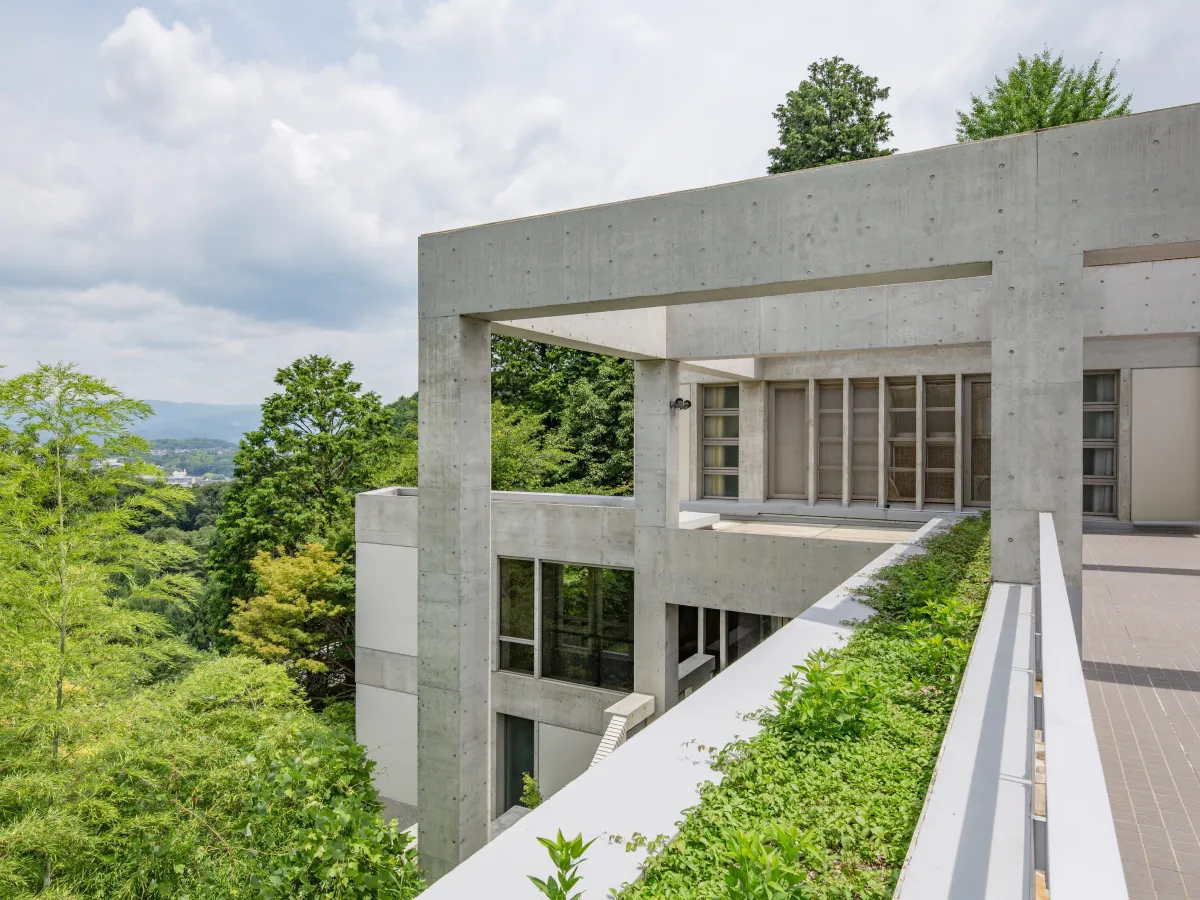
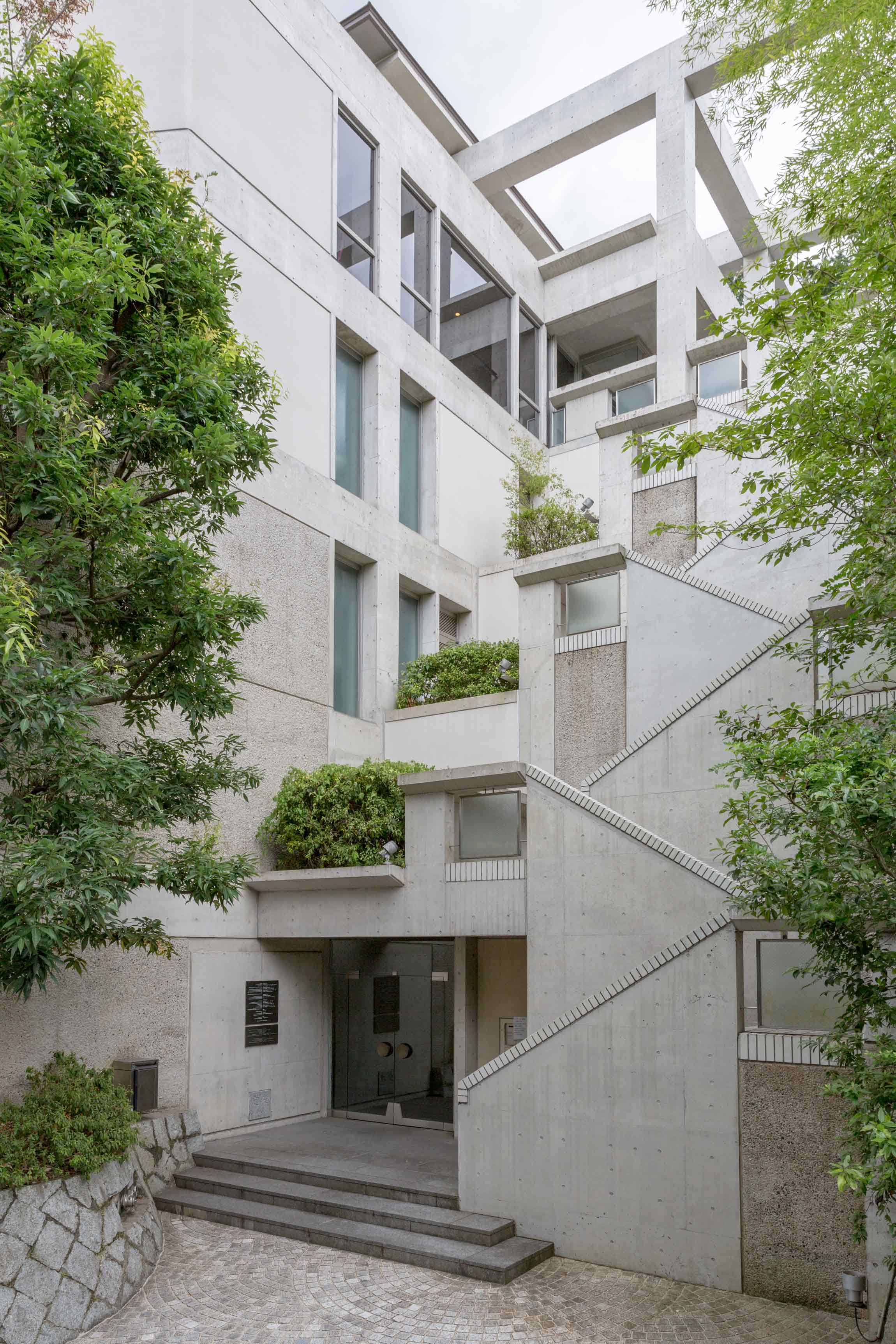
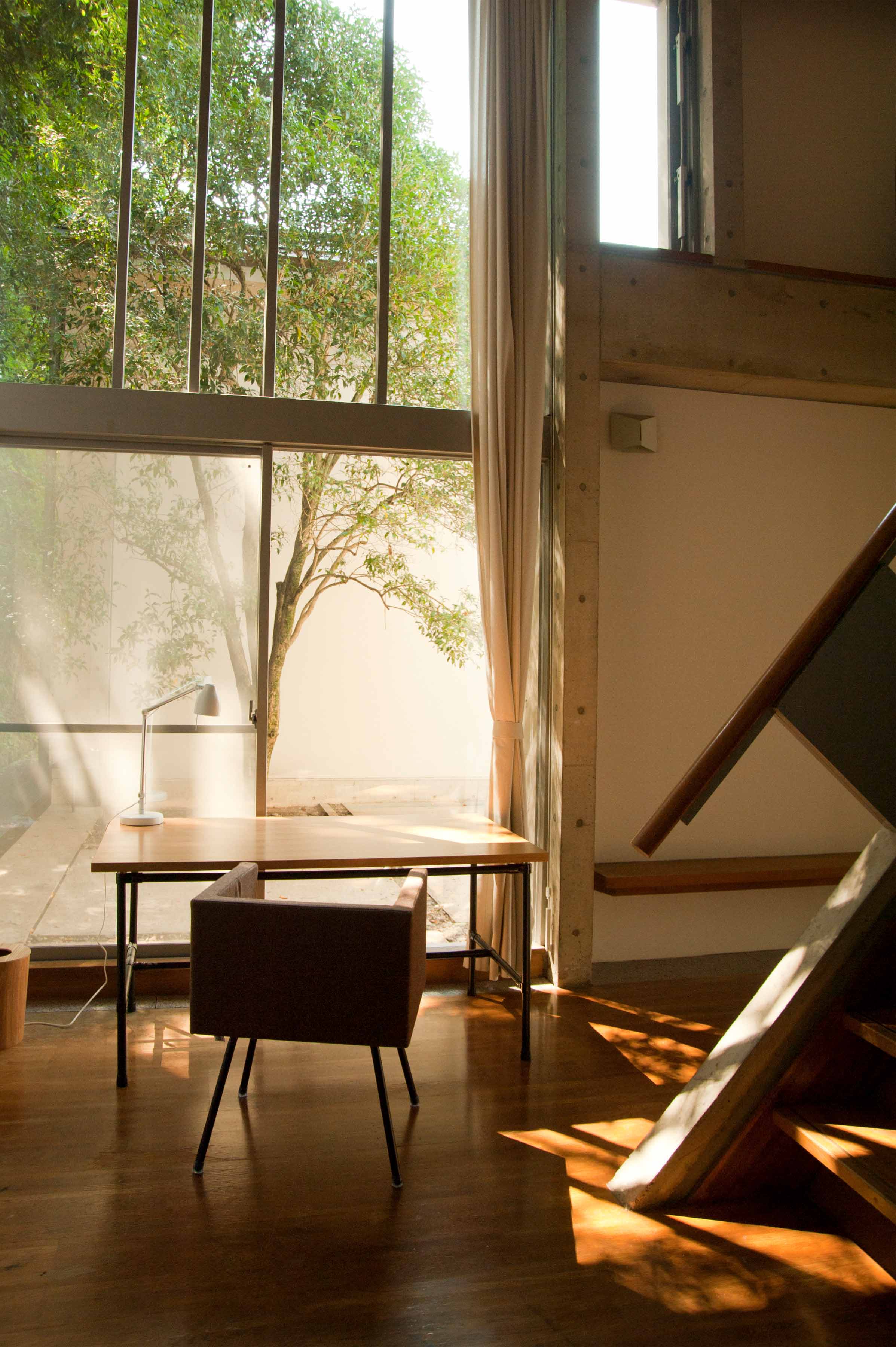
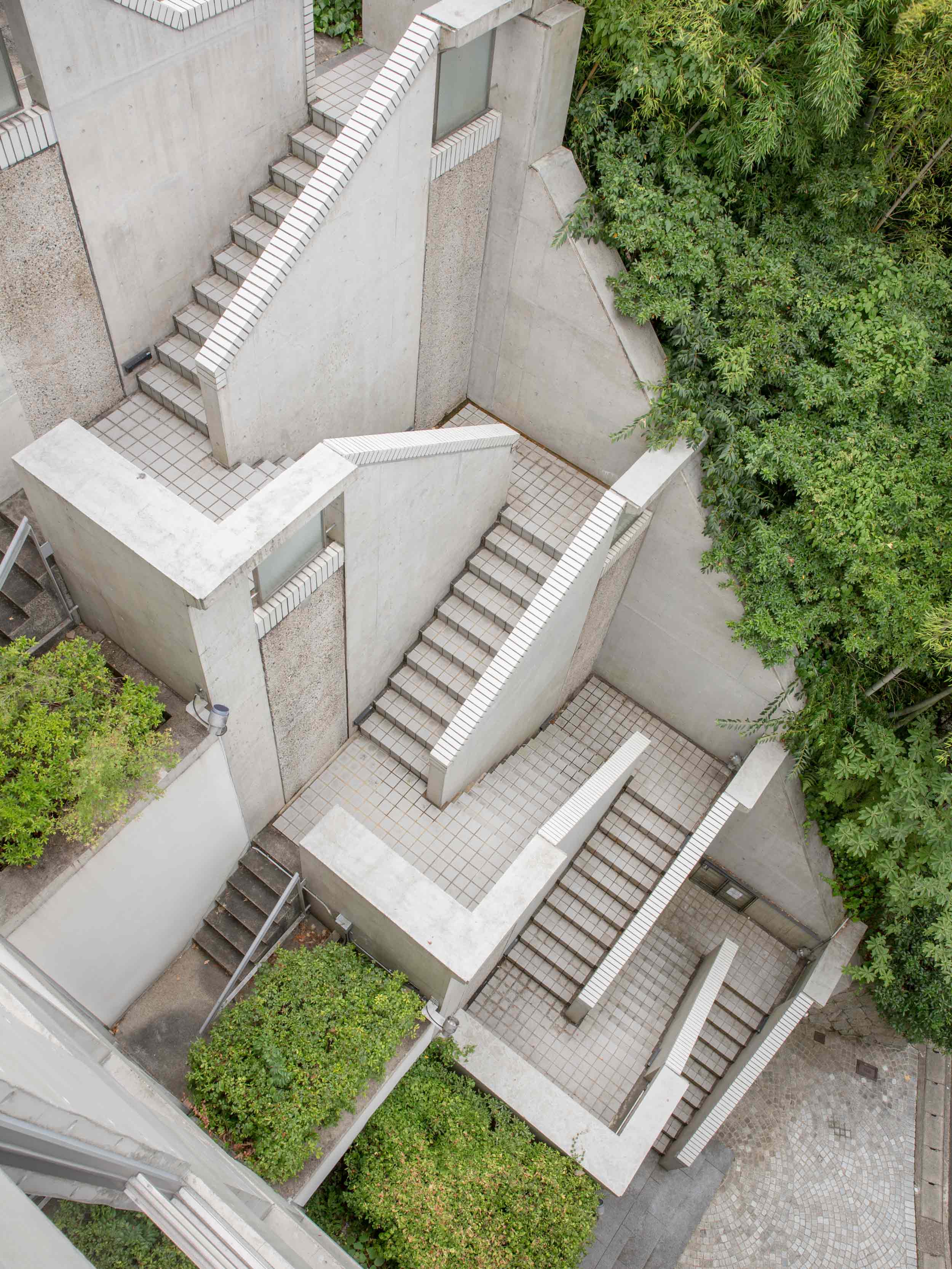
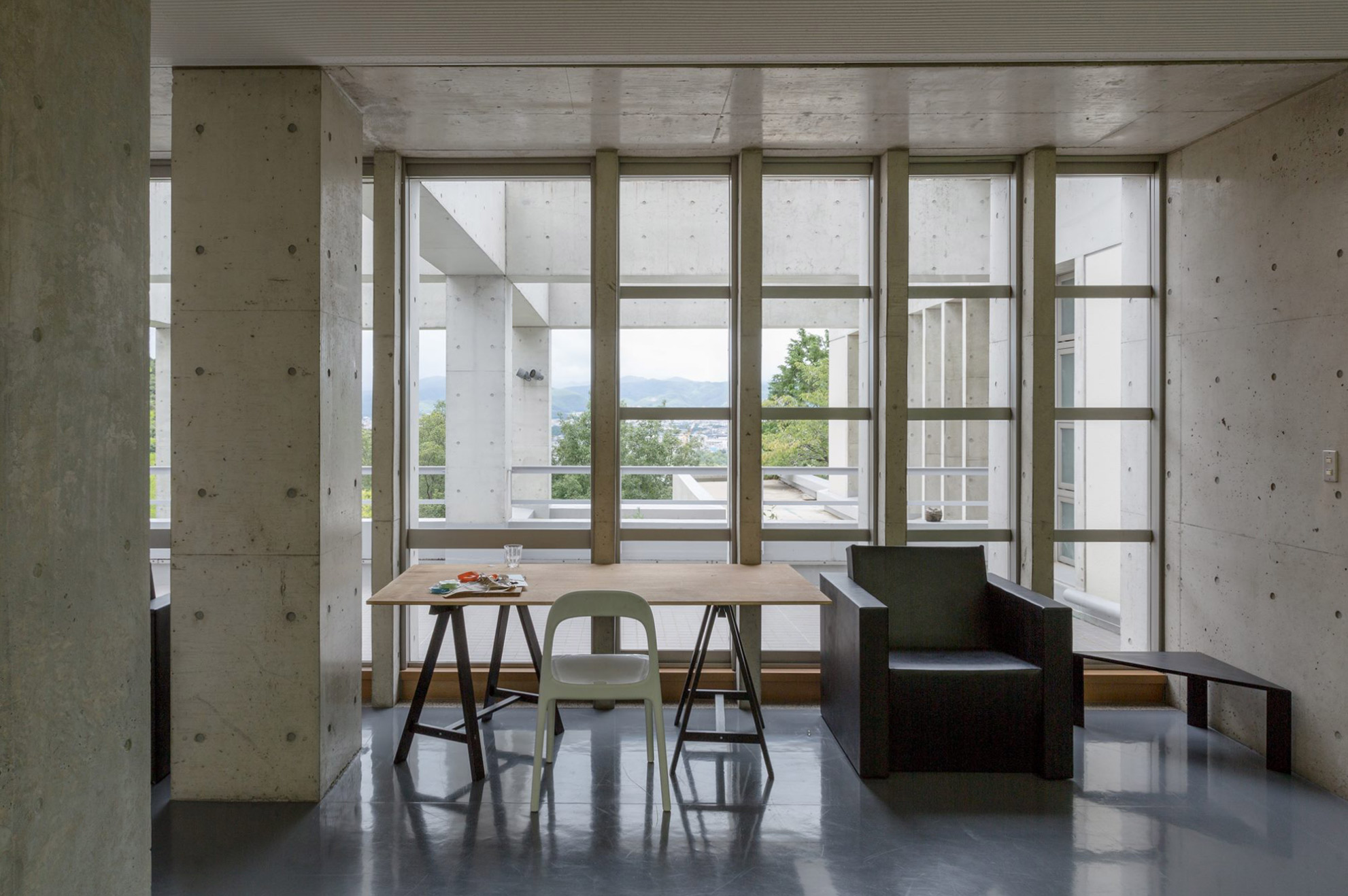
Adèle Fremolle: For many artists today, the Villa Kujoyama is a mythical place, a building they have known and dreamt about for a long time. When they discover it on site, the experience is striking. The architecture embodies dialogue between Western architecture and traditional Japanese architecture. Kunio Kato, the selected architect, chose to evoke a monastic dimension, conducive to contemplation, concentration, and introspection. The spaces are vast and uncluttered, and they invite a constant awareness of the place one is in.
There is also a strong sense of porosity between interior and exterior, a fundamental element of Japanese architecture, through the integration of many glass walls and patios. Although the building is only about 1,000 m², it is difficult to picture it mentally because of its many corridors, ramifications, and different levels, yet it is ultimately very easy to inhabit. Built into the hillside, it offers a breathtaking view of Kyoto, and the city center can be reached in less than 15 minutes.
The architecture plays an important role in the residency experience, to the point that three years ago we launched a series of works entitled 36 Views of the Villa, in which artists are invited to offer their own interpretation of the building. This architecture provokes contrasting reactions: some love it, others find it cold, but it rarely leaves anyone indifferent.
Which artists are eligible for residency at the Villa Kujoyama, and what are the selection criteria?
Adèle Fremolle: Today, we host artists and creators from virtually all fields of creation. There are no age requirements and no strict disciplinary restrictions; however, applicants must be French or have lived in France for at least five years, and must be able to demonstrate recognized professional activity in their field.
We distinguish seventeen disciplines, but this is above all a framework that allows us to review applications. In practice, we host artists working in the visual arts, the performing arts, crafts, film, or music, as well as chefs and video game creators. The idea is that any creator should be able to find their field within the Villa.
The central criterion remains the project: it must be connected to Japan and justify the need to spend four to six months in Kyoto, in Japan.
What are the most important benefits of an art residency at the Villa Kujoyama?
Adèle Fremolle: It really depends on the residents. The reasons that lead them to come to the Villa can be quite diverse. Of course, there is everything the residency provides in material terms — housing, workspaces, and the residency grant — but the most important aspect is the support we offer on site.
Many residents also say that, when they are at the Villa Kujoyama, doors open differently. The Villa Kujoyama enjoys a certain level of recognition, and several residents tell me that once they are selected, they receive more proposals than before.
Like other residencies and villas, the Villa is also a platform for professional discovery. We regularly organize visits by professionals and open studio events. Whether from France, through our website and networks, or in Japan, professionals closely follow the artists in residence at the Villa Kujoyama.
How does the Villa Kujoyama foster Franco-Japanese artistic collaborations in Kyoto and across Japan?
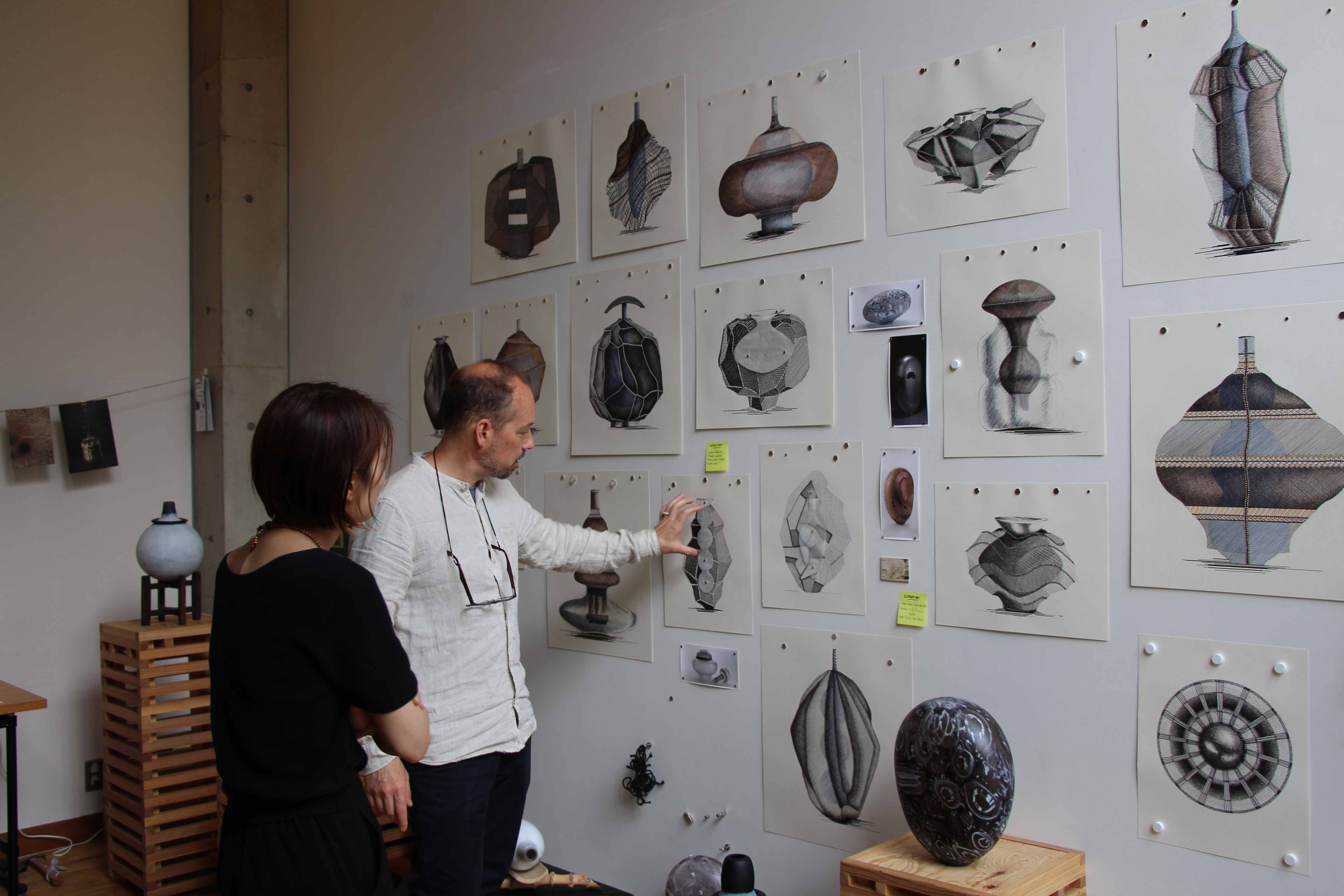
Adèle Fremolle: It depends greatly on the discipline and on the resident’s project. Some residents are looking for many encounters, others prefer fewer, and we adapt to their way of working. At the Villa, we have a large network of artists, craftspeople, and key contacts. As we support many projects that address themes that have not yet been explored, we also regularly carry out new research to support the residents and to identify new people who can help them.
Residents are sometimes very autonomous and develop their own networks as part of their research. Some contacts are easier to establish when one comes from the Villa, or when one is “from the Villa,” but others are easier to establish simply when one is an artist.
This is therefore work that we do together with the resident: each time, we assess whether it is better for the resident to make contact directly or for the Villa to do so. We truly work on a case-by-case basis, tailoring our approach each time.
How does the Villa Kujoyama open itself to the public and to Kyoto’s artistic scene?
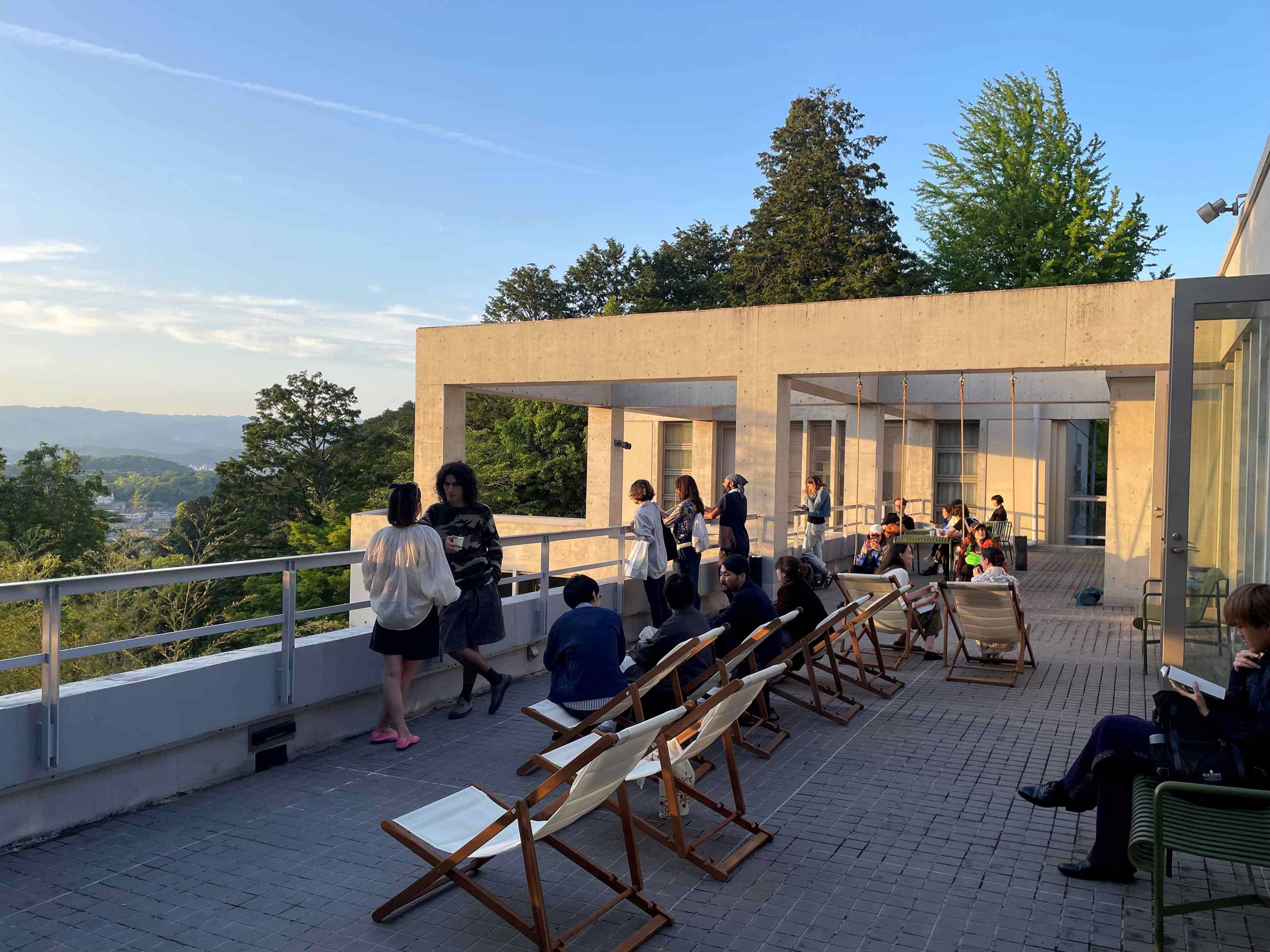
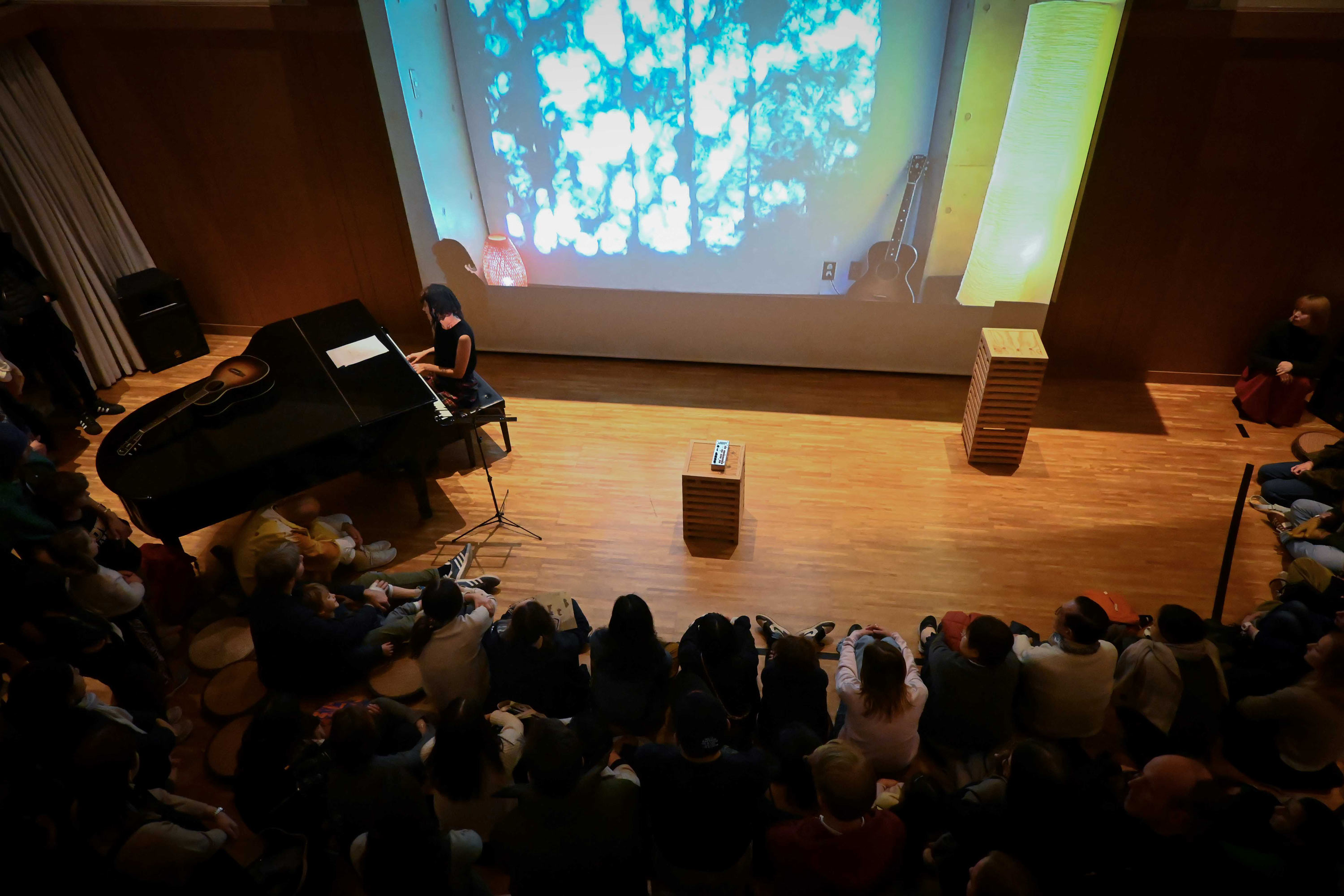
Adèle Fremolle: In March 2023, we began organizing a monthly public opening. We wanted to create a regular event and establish a fixed, open-to-all gathering. The Villa is therefore open on the first Thursday of every month, from 2 pm to 9 pm, and the content varies greatly from one occasion to the next. The program is developed with the artists in residence, depending on who is present and what they wish to propose. It is then complemented by invitations to former residents passing through Japan, as well as to partners or Japanese artists and craftspeople with whom we regularly collaborate.
The residents are invited to present their research in a variety of formats: simple open studios, but also performances, talks, concerts, or workshops. We encourage them to invite the Japanese artists and partners with whom they collaborate, in order to highlight the work of these artists and craftspeople.
The program is thus resolutely Franco-Japanese. The audience is largely Japanese, and we welcome more than one hundred people each month.
Can you describe a significant moment or development that illustrates the lasting impact of the Villa Kujoyama on the artistic practices and careers of the artists in residence?
Adèle Fremolle: This year, we celebrated the tenth anniversary of the crafts residencies at the Villa Kujoyama, which was the first art residency to welcome crafts as part of our program. This development was made possible thanks to the support of the Fondation Bettencourt Schueller, which has been a patron of the Villa for ten years.
On this occasion, we produced a series of short videos, created with José Lévy, a former artist-in-residence, entitled What the Villa Did to Me. In these two-minute formats, the residents explain not their research topic, but what the residency changed in their practice. For some, these six months made it possible to develop a specific work—a film or a book. For others, it changed their entire practice, and sometimes even very intimate things.
Beyond coming to the Villa for a residency, the residents spend six months in Japan, and in Kyoto in particular, where there is a very specific sense of time. Everyone experiences it differently: some go through long periods of misunderstanding, difficulty expressing themselves, or grasping what is implied. This way of apprehending the world, different from what one is used to, profoundly alters one’s relationship to things—time, patience, waiting, or impatience. For some, this experience is difficult to live through; for others, on the contrary, it is very liberating and opens up new fields and new ways of approaching a project. The impact, therefore, is not produced solely by the Villa, but also by Japan, Kyoto, and the shock between two cultures. More broadly, living for an extended period in Japan can profoundly transform a life path, whether one is an artist or not.
Ce que la Villa m'a fait by José Lévy - resident' testimonials on the impact of the residency. Video: José Lévy / Villa Kujoyama
What does the jury look for when selecting artists in residence at the Villa Kujoyama?
Adèle Fremolle: As with many art residencies today, more and more people apply to the Villa. We cap the number of applications at 250 in order to select only fifteen residents, which makes the selection process quite difficult.
What we are looking for are projects that are relevant to Japan, to France, and above all coherent within the artist’s trajectory. We prioritize projects for which the residency plays a decisive role in their development. Some projects are very compelling, but the residency would not play a clear role in their development.
We also seek a great deal of diversity of profiles, disciplines, trajectories, and subjects. In recent years, we have aimed to strike a balance between contemporary topics and more classical ones. We are absolutely not closed off to projects connected to Japanese traditions, but we try to combine them with more contemporary, sometimes more socially oriented subjects, in order to maintain this diversity of approaches.
After three and a half years as director of the Villa Kujoyama, what lessons have you drawn from the encounters between French and Japanese artists?
Adèle Fremolle: We host seventeen disciplines, and the scenes differ greatly from one another. Artists therefore do not always meet direct counterparts: writers, for example, often exchange more with people who bear witness or with people connected to the themes they are exploring, rather than with other writers.
What is constant, however, is the strong curiosity of the artists in residence and their interest in meeting Japanese artists and collaborators, as well as the warm welcome they receive. Even if these encounters are not necessarily representative of an entire artistic scene, the majority of artists in residence meet far more people than they had imagined, thanks to their own commitment and, in particular, to the introductions facilitated by the Villa.
That said, I think there is nevertheless a very important point that does not directly concern the way artistic scenes are structured, but rather the conditions under which creative work is carried out in France and in Japan. Even if, in France, conditions are sometimes difficult and increasingly under threat, there is still public support for artistic creation. In Japan, there is a significant lack of support for creation and for artists: artists often hold several jobs and must finance their exhibitions or residencies themselves. These differences are present in almost all artistic fields in Japan, and the artists who come here become aware of this quite quickly.
At what stage is the Villa Kujoyama today, and which areas would you like to develop in the future?
Adèle Fremolle: Today, we are in a phase of consolidating the initiatives launched over the past few years. The backbone of the Villa Kujoyama remains the research residency, which offers complete freedom to take the time to explore—sometimes along indirect paths—allowing for unexpected discoveries.
Beyond the residency itself, we have introduced a monthly open house that enables artists in residence to engage with their time here differently, inviting audiences or guest speakers, and beginning to experiment with formats that are sometimes performative in preparation for shows. We have also developed micro-residencies across Japan, allowing artists in residence to experience other ecosystems and contexts, whether in very rural areas, on islands, or in Tokyo.
We are also developing post-residency programs in France and in Japan, which extend over the five years following the residency. This reinforces the idea that the residency period itself is truly dedicated to research. We then support the artists in the production, dissemination, and continued development of their projects.