
Tokyo Arts and Space is one of Japan’s leading institutions dedicated to supporting contemporary art through residency programs, exhibitions, international partnerships, and the Tokyo Contemporary Art Award. In this interview, Yuki Kondo, Program Director of Tokyo Arts and Space, discusses the institution's mission, its position in Japan's art ecosystem, and how public cultural institutions can support artists throughout their careers.
What motivated you to take on the role of Program Director of Tokyo Arts and Space?
Yuki Kondo: I think one of the main reasons was my interest in how artist-in-residence programs function in Japan. Many are established and run by local governments, and are closely tied to community engagement, education, and revitalization. In contrast to other countries where residencies are often led by private initiatives, Japanese programs are largely publicly funded, which creates a strong expectation that they give back to citizens. I found this structure interesting, but I had always approached artist-in-residence programs primarily from an artistic perspective, believing in their potential to support artists at critical stages of their careers by enabling experimentation, risk-taking, and free creative practice. However, since in Tokyo there is no need for artist-in-residence programs to support local communities or educational purposes, these responsibilities fall to other institutions. Tokyo Arts and Space (TOKAS) is able to focus on supporting artists’ practices and helping them develop their careers. Exploring these possibilities was one reason I decided to make the move.
Another motivation was more activist in nature. Over the years I have worked in the arts field, including my time at the Aomori Contemporary Art Centre, I have become increasingly aware of persistent problems in the working conditions of art workers. In residency programs in particular, coordinators are often underpaid and precariously employed, while the artists, particularly the young ones, are rarely compensated fairly. Similar imbalances exist in traditional cultural fields, such as Nebuta in Aomori, where surrounding industries thrive while creators receive recognition but face financial difficulties. This imbalance has long troubled me.
While Tokyo Arts and Space operates within a bureaucratic structure, taking the role of Program Director provides me with the opportunity to engage with issues such as budget allocation and institutional priorities. Although I do not have complete authority to make decisions, I am given some level of autonomy to address structural problems in the system from within. Therefore, ultimately the opportunity to focus on supporting artists while also addressing systemic issues was the deciding factor that led me to accept the position.
How would you describe the mission of Tokyo Arts and Space?
Yuki Kondo: TOKAS has three core missions. The first is to support Japan-based emerging and mid-career artists through three key programs. TOKAS-Emerging gives artists under 35 opportunities to present their work through exhibition platforms. ACT (Artists Contemporary TOKAS) focuses on curated exhibitions primarily featuring artists who have previously participated in TOKAS programs and have since developed significant practices. The third is the Tokyo Contemporary Art Award, which is dedicated to supporting mid-career artists.
The second mission is to promote international creative exchange through artist-in-residence programs that both host artists and creators from abroad in Tokyo and send Japan-based artists to overseas partner institutions through reciprocal exchange residencies.
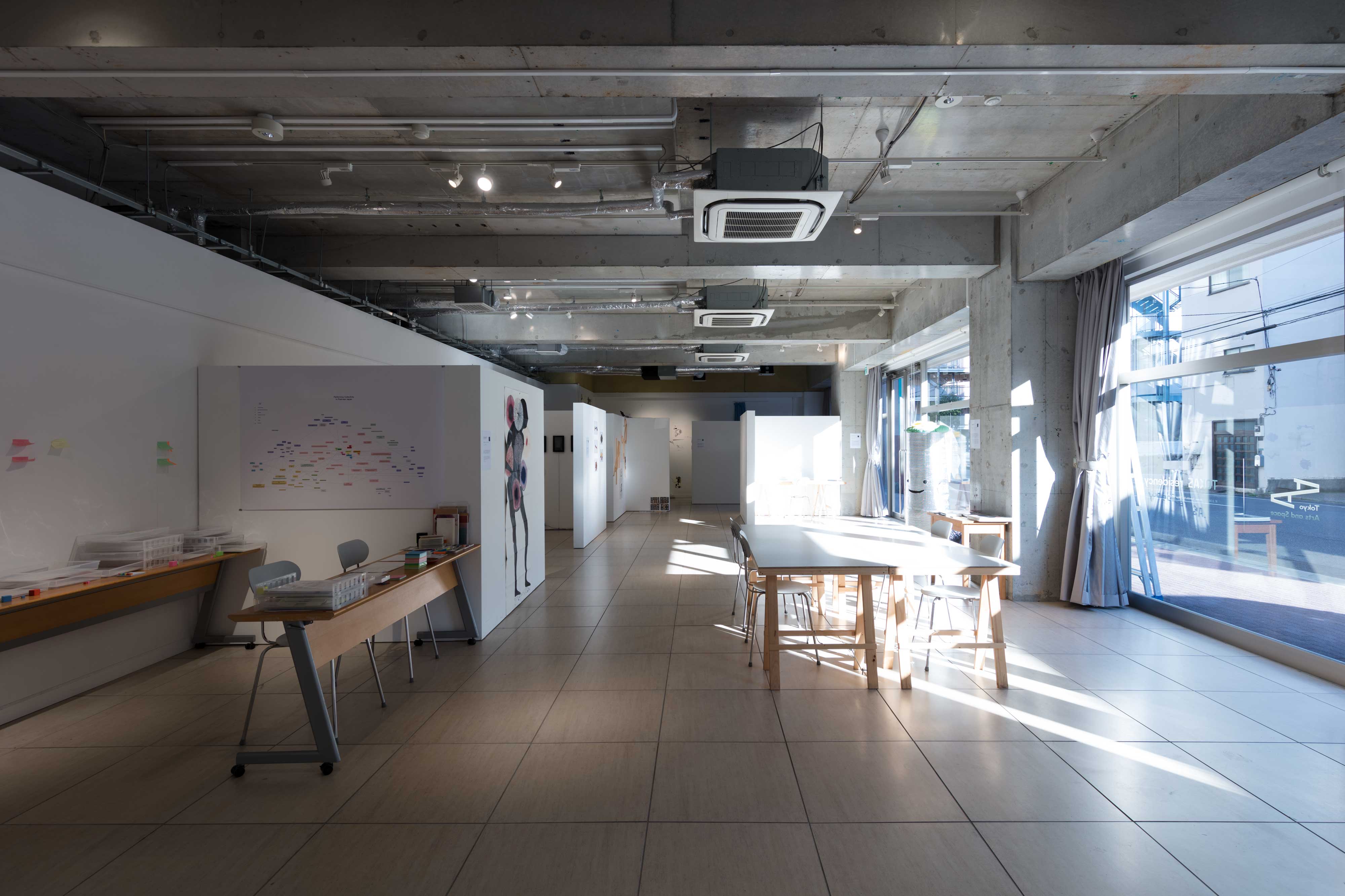
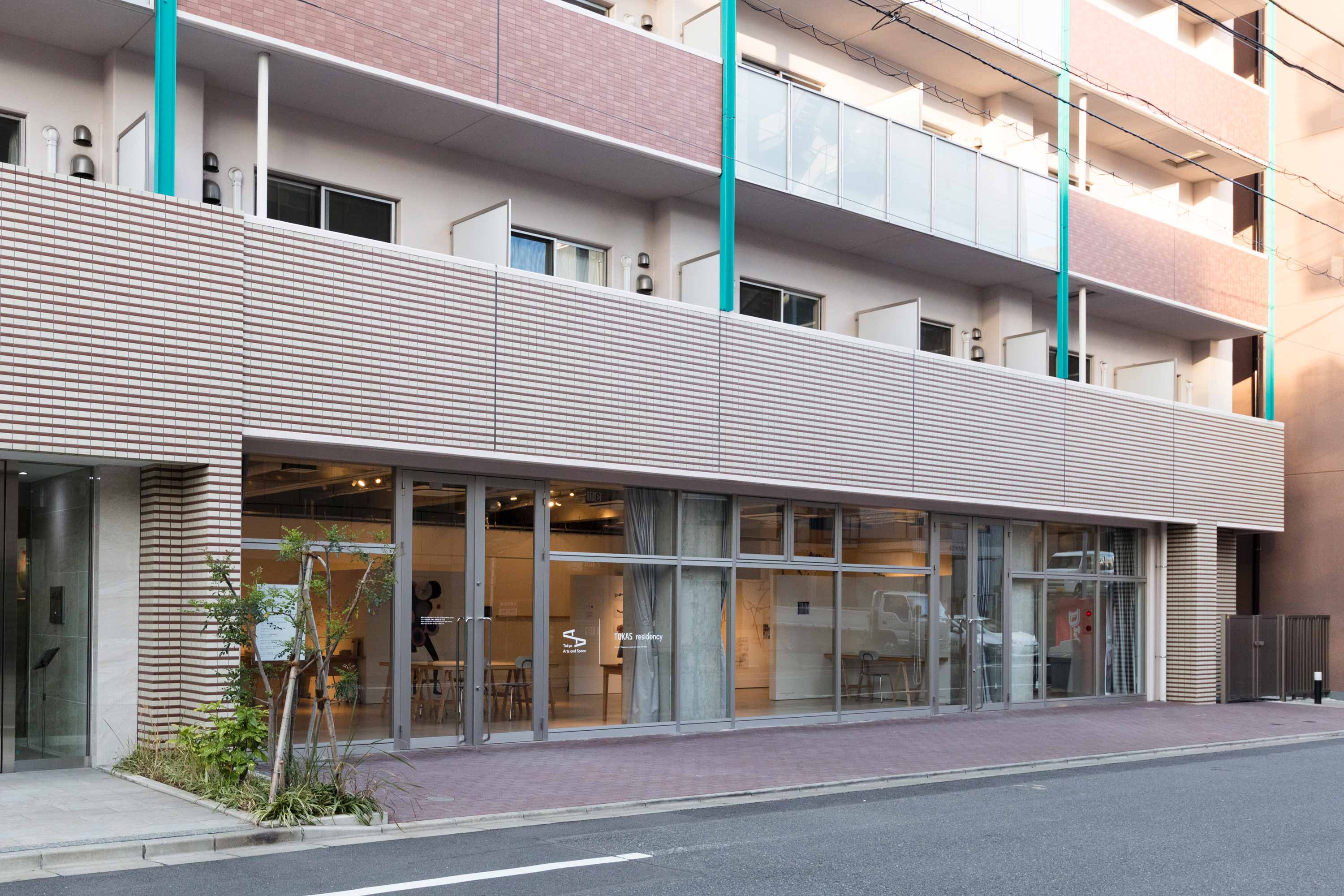
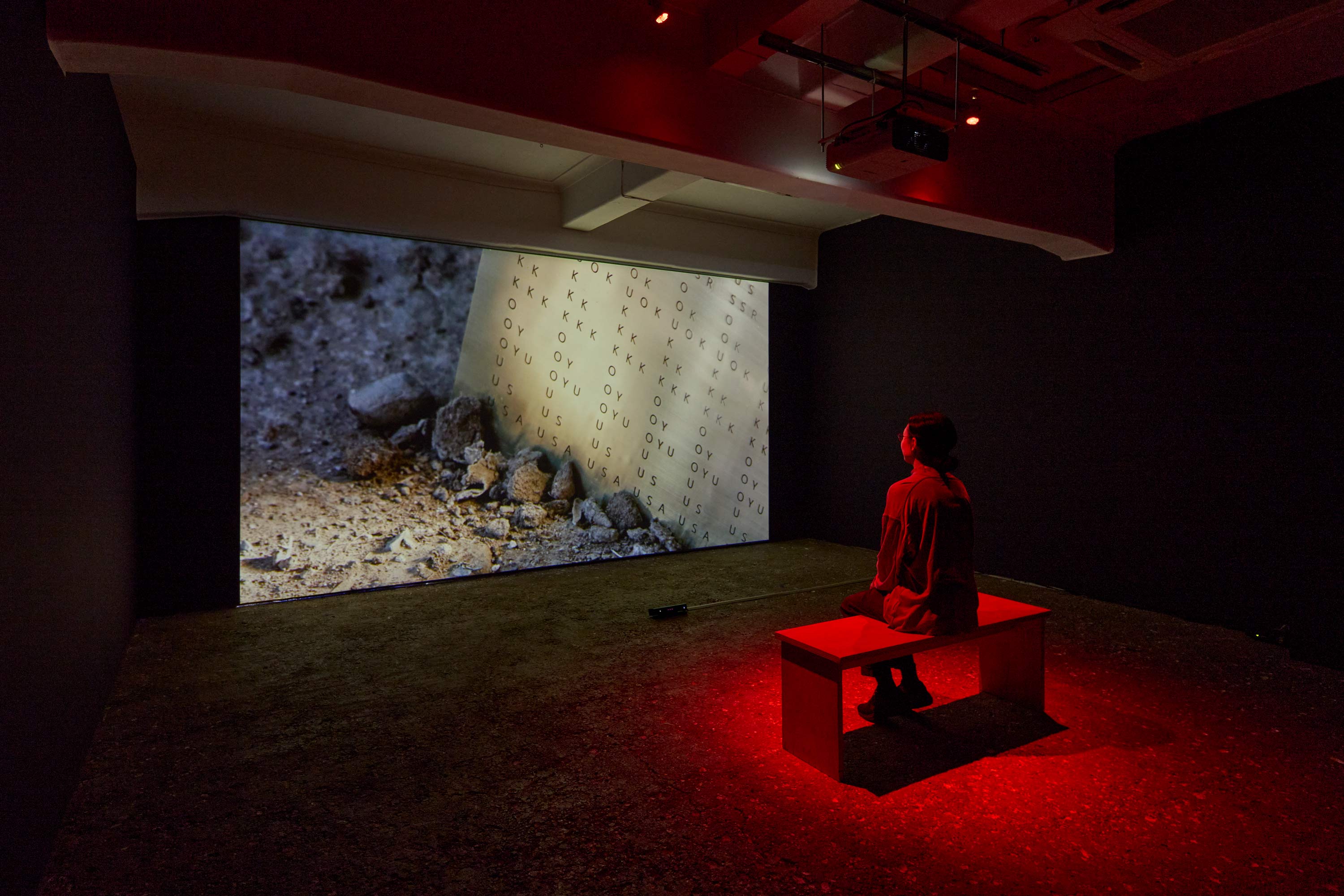
The third mission is to support cutting-edge and experimental artistic practices. We do this through platforms for interdisciplinary, and experimental projects, such as OPEN SITE and TOKAS Projects. These initiatives take place either at TOKAS Hongo or within our residency program spaces, TOKAS Residency. TOKAS Hongo is not a museum in the conventional sense, but a flexible facility for presentation of works. Because it is not bound by strict institutional regulations, artists are able to experiment with unconventional materials and processes that might be difficult to realize within a museum context. We see TOKAS Hongo as a platform for presenting challenging and exploratory projects. Unlike museums, where artworks are often expected to be finished and subject to evaluation, we are interested in presenting artistic processes that remain open, unresolved, and in development, works that exist prior to completion and before judgment.
What role does Tokyo Arts and Space play within Tokyo and Japan’s contemporary art scene?
Yuki Kondo: As an institution, TOKAS occupies a distinct role from that of contemporary art museums, providing a transitional space between independent practice and more established venues. It is a public institution that is neither a museum nor a commercial gallery, but maintains an alternative character that allows artists to experiment, gain visibility, and engage with feedback that can help them advance to the next stage of their careers. A successful project at TOKAS allows artists to build a meaningful track record, showing their ability to work within a public framework.
In addition to providing support for Japanese-based emerging and mid-career artists, TOKAS is a platform for facilitating international exchange, primarily through its various artist-in-residence programs. These programs welcome a wide range of international creators, including visual artists, writers, composers, curators, musicians, and researchers. The residency programs position TOKAS as a point of intersection within Tokyo’s contemporary art scene.
TOKAS's residency programs have positioned TOKAS as a hub of activity in the greater Tokyo area contemporary art scene, providing a site where creators can connect across disciplines and geography, and extend networks beyond the walls of the organization. Through its dual role as both a transitional space that supports artistic development and as a site of intersection, TOKAS functions as a form of cultural infrastructure within Tokyo’s contemporary art scene.
How does Tokyo Arts and Space foster collaboration between residents and the local art scene in Tokyo?
Yuki Kondo: We support interaction between residents and the local art scene in two ways.
First, through informal gatherings. These include events like exhibition openings at which residents can meet Japan-based artists and art professionals, and casual coffee meetings and similar informal gatherings that bring together current residents, participants from other artist-in-residence programs, and past TOKAS program participants. These settings provide a relaxed atmosphere to interact directly.
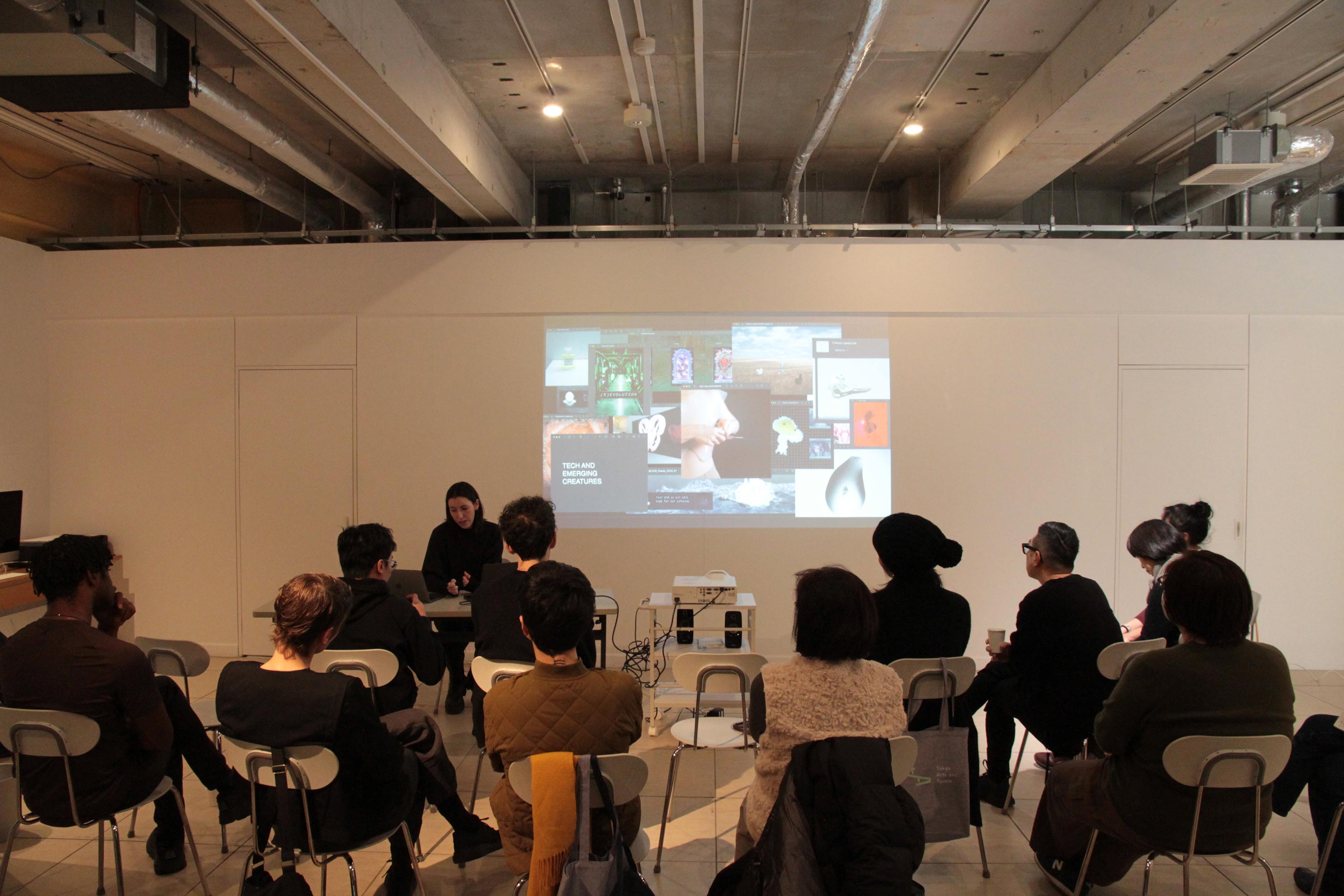
Secondly, through public programs that are accessible to a wider audience. These include curator talks and public discussions led by curators-in-residence. These events are held regularly, approximately once every three months.
Through these approaches, TOKAS functions as a point of exchange within Tokyo’s art scene. TOKAS brings together emerging artists, international residents, and foreign students studying in Japan, enabling people from different backgrounds and communities to interact. This cross-disciplinary and cross-cultural exchange is central to how we connect residents to the Tokyo community and foster new forms of dialogue and collaboration.
What types of residency programs does Tokyo Arts and Space offer, and what support do residents receive?
Yuki Kondo: TOKAS offers several residency programs that differ in format and length. Our main residency programs are our international and exchange residency programs. Our International Creator Residency Program invites artists from outside of Japan to stay in Tokyo for approximately three months, providing accommodation, shared studio space, and financial support for living expenses and production or research. Our Exchange Residency Program is based on partnerships with foreign institutions and allows reciprocal exchanges between Japan-based and international artists.
Additionally, TOKAS hosts residency programs for Japan-based artists at different career stages, for both established and emerging artists. These programs provide production support and development opportunities, particularly through mentoring sessions with visiting international curators. We also host curators and researchers from abroad through our curator residency, alongside our more flexible research residency that is open to practitioners from a wide range of fields.
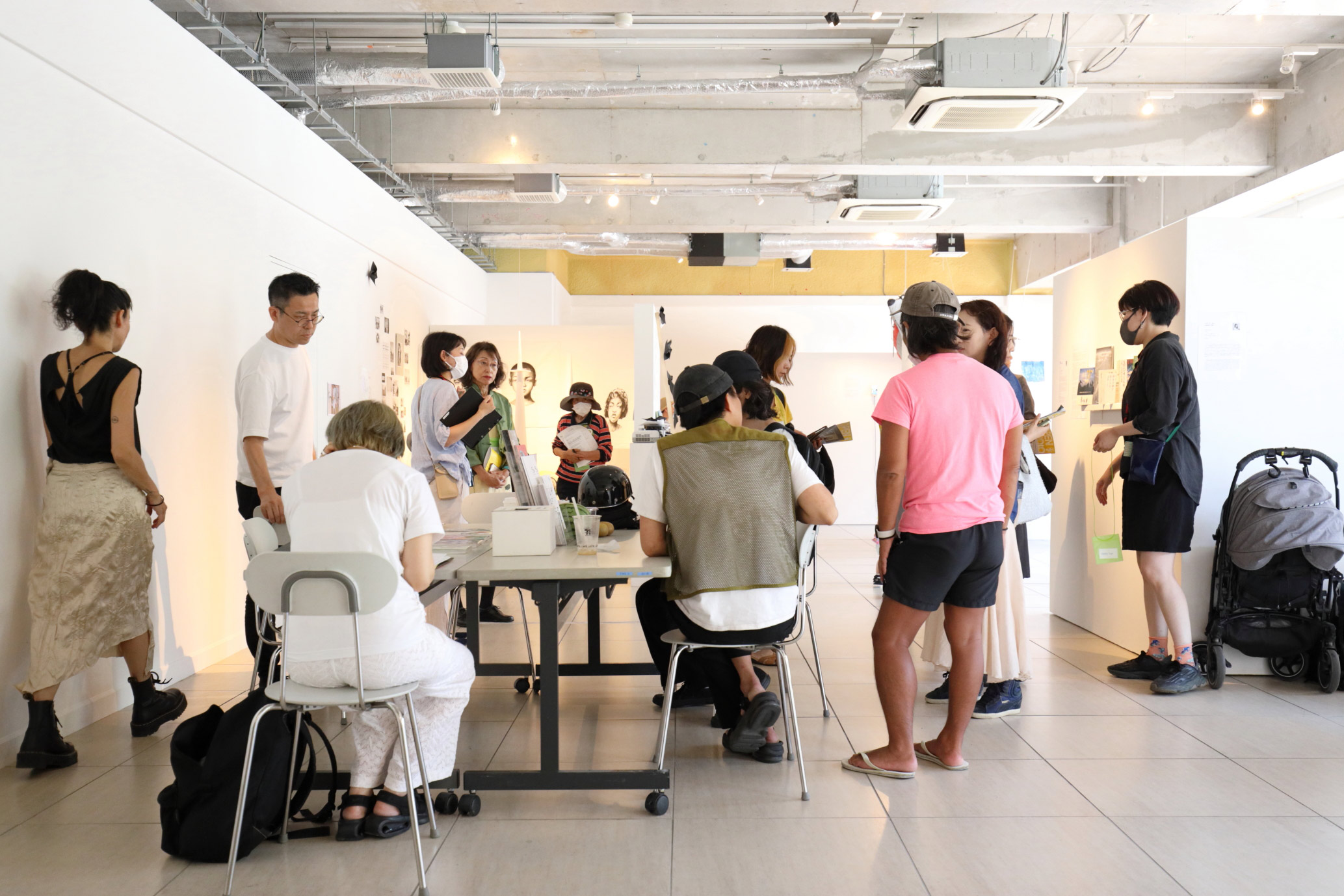
Presentation opportunities are an important part of the residency. At the end of each residency period, we hold Open Studio events over three days, where residents open their studios to the public and present their work and research. This also creates opportunities for art professionals to visit the studios and engage directly with the residents.
The most valuable benefit that TOKAS residency programs offer to artists is the chance to establish networks. Due to the fact that the studios are shared and relatively small, residents are generally unable to produce large-scale or material-intensive works. As a result, they tend to focus more on research and reflection. Residency coordinators help facilitate the research process by making arrangements for meetings and translating if necessary. In this way, TOKAS offers not only facilities and funding, but a structure that encourages sustained research, exchange, and professional growth of the residents.
How does Tokyo Arts and Space operate its exchange residency programs for Japan-based artists abroad?
Yuki Kondo: Residency programs that send Japan-based artists abroad continuously are still relatively uncommon in Japan. TOKAS, originally launched as Tokyo Wonder Site in 2001, started its residency program in 2006, and has been running the exchange program continuously since then. The program is based on long-term partnerships with overseas institutions and is designed as a reciprocal system.
In this exchange model, each partner takes responsibility for different aspects of the residency. The sending institution covers the artist’s travel costs, living expenses, and production or research fees, while the receiving institution provides accommodation, studio space, and local support. This structure applies in both directions, whether TOKAS is hosting an international artist in Tokyo or sending a Japan-based artist abroad. The selection of artists is generally conducted through open calls. The sending institution first creates a shortlist, usually of three to five artists, from which the receiving institution makes the final selection.
In practice, sustaining this system requires partners who can reliably meet financial and logistical requirements. As a result, many long-term partnerships have developed in Europe, South Korea, as well as in regions such as Taiwan. In the future, we would like to expand these exchanges further, particularly with institutions in other parts of Asia, including Central and South Asia.
Could you share a memorable project or resident at Tokyo Arts and Space that illustrates the impact of the residency programs?
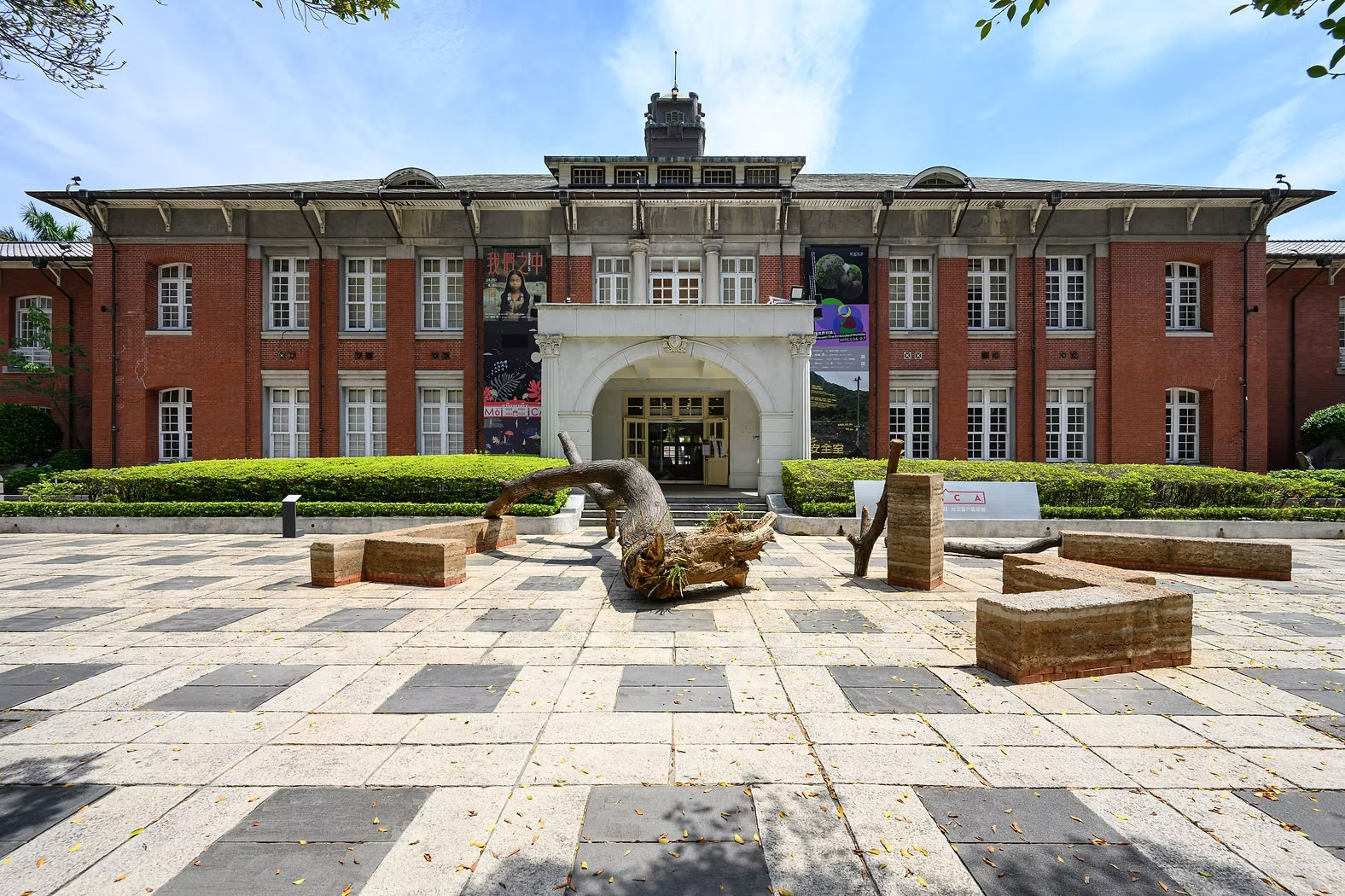
Yuki Kondo: One concrete example comes from last year, when we invited Lin Yu-Hsuan, a curator from Taiwan, through our Curator Residency Program. During his stay, he developed close exchanges with local artists and introduced them to exhibitions he had curated in Taiwan. The impact of this residency became particularly visible when the research conducted at TOKAS was clearly reflected in his exhibition the following year at the Museum of Contemporary Art, Taipei. Seeing that direct connection between the residency and an international exhibition was very significant for us.
More broadly, many Japanese artists face language barriers, which often limit their opportunities to work internationally and lead to the same small group of artists repeatedly going abroad. Through our residency programs, we aim to create situations in which artists and curators from outside Japan engage more deeply with the local context, while also opening new perspectives for Japan-based artists. In that sense, the residency functions as a genuine site of exchange.
Looking back over nearly twenty years of residency and exchange programs at TOKAS, another clear impact can be seen in artists’ careers. Many Japanese mid-career artists who are now active internationally participated in TOKAS programs at earlier stages of their practice. This long-term contribution to artists’ development is one of the most meaningful outcomes of the residency.
Safe room exhibition
When reviewing residency applications, what are you looking for in applicants, and what advice would you give them?
Yuki Kondo: The selection process varies from one program to another. In the case of exchange residencies, we select residents from shortlists prepared by the partner institution. However, for the International Creator Residency Program, we receive a very high number of applications but select only six artists, so the competition is extremely high.
One of the most important things we look for is the motivation of the applicant for coming to Japan or Tokyo. Often the motivation is vague, based on general interests or well-known cultural references. What we are really interested in is a strong sense of urgency: why does this artist need to come to Tokyo now, and what makes this context important for their practice at this particular moment? We do not expect a fully developed project proposal, but we want to see a clear and thoughtful reason for coming here.
We also pay close attention to how applicants engage with local contexts and people. Issues such as cultural appropriation and the ethical use of personal narratives are very important to us. For example, when artists conduct interviews or work with local communities, we take care of how sincerely and responsibly they approach their interactions with locals. We are generally cautious about practices that use individual stories too lightly or without sufficient reflection.
Ultimately, we are looking for artists who show sensitivity and sincerity in their approach. This applies to both international and Japan-based applicants, though in slightly different ways. Japanese artists, in particular, are not always used to writing applications, so what matters most is not how conceptual or political the language is, but more their ability to clearly articulate their practice. Describing how and why they make their work, why they wish to continue a particular project, and why they choose certain materials helps us better understand their artistic approach.
Why did Tokyo Arts and Space establish the Tokyo Contemporary Art Award, and how does it benefit artists and their practice?
Yuki Kondo: The Tokyo Contemporary Art Award was created in response to a structural gap in support for mid-career artists in Japan. For a long time, most grants, awards, and exhibition opportunities were limited to artists under the age of forty. There were many programs for younger artists, including residencies and exhibition opportunities, but once artists passed that age threshold, support dropped sharply. At the same time, opportunities often reappeared only much later, frequently within academic contexts for artists over fifty. As a result, mid-career artists were left with very limited forms of support.
TOKAS, previously named Tokyo Wonder Site, was originally established to support young artists, and for many years our focus remained there. After nearly two decades, however, we felt it was necessary to also direct attention toward artists who had already developed a practice but lacked support at a crucial stage in their careers. This recognition led to the creation of the Tokyo Contemporary Art Award.
The award aims to give mid-career artists the conditions to take their next step. It provides prize money that allows artists to concentrate on their work for a year without the pressure of commissions. It also supports overseas activities, which may include research trips, visiting exhibitions, or building international networks. The award then culminates in an exhibition at the Museum of Contemporary Art Tokyo. For mid-career artists, having a track record of exhibiting at such a prestigious institution is extremely important. In this sense, while the award provides continuous support over a period of around three years, its aim is not simply to offer a grant, but to help artists take a significant step forward or reach a turning point in their practice.
Are there any upcoming collaborations, projects, or events at Tokyo Arts and Space that you are particularly excited about?
Yuki Kondo: One upcoming project I am looking forward to is the launch of our new exchange residency program with Temple Bar Studios in Dublin, which will start this year. Temple Bar Studios has been very active in supporting young Irish artists and helping them develop international activities.
Another project is our involvement in the International Art Exhibition, where we will be launching an exhibition focused on emerging artists. This aligns closely with TOKAS’s overall mission to provide visibility and opportunities for younger artists.
Beyond these specific initiatives, the residency program remains at the center of our activities. Every year, we host about 30 thirty international residents and send about eightJapanese-based artists abroad through our exchange programs.
In addition to this, we have a framework we call the TOKAS Project, which involves collaborations with international artists, curators, and art centers to organize exhibitions and related events. Those are always stimulating, and we sometimes invite former residents back for special occasions, such as anniversary programs. We are currently in the process of organizing several exhibitions and collaborative projects with past residents and curators. Although they have not yet fully taken shape, thinking about how these projects might develop in the future is something I find very exciting.