
Your artist’s portfolio is the most important tool for presenting and promoting your art. A strong professional artist portfolio should give a clear and comprehensive overview of your artistic practice.
Artist portfolios are constantly requested when applying for fellowships, residencies, public art commissions, or when presenting your work to gallerists or curators. In most cases, people will give you only one chance to attract their interest in your work. It is essential to create a portfolio that leaves a lasting impression on the viewer and makes them want to engage more deeply with your work.
In this guide, you’ll learn how to make an artist portfolio for galleries, open calls, and professional opportunities that is clear, compelling, and ready to submit.
Step 1: Choose the Right Format for Your Artist Portfolio
Before you start, decide whether your artist portfolio should be digital, physical, or both.
- Digital artist portfolios are ideal for online applications, email submissions, and art opportunities.
- Physical art portfolios create a more personal, tactile experience and work well for interviews, studio visits, and when meeting others in person.
Tip: If you choose to create a vertical portfolio, it will be easier to lay out and simpler to attach additional materials (such as an artist statement, project descriptions, CV, etc.).
Step 2: Structure Your Artist Portfolio Clearly
A clear structure makes your artist portfolio easier to understand and review. Organize your portfolio with the following:
- Cover page: Your name, the word “Portfolio,” and one strong artwork
- Artwork selection: A curated set of your best and most relevant works
- Artist statement: A brief text explaining your artistic practice and ideas
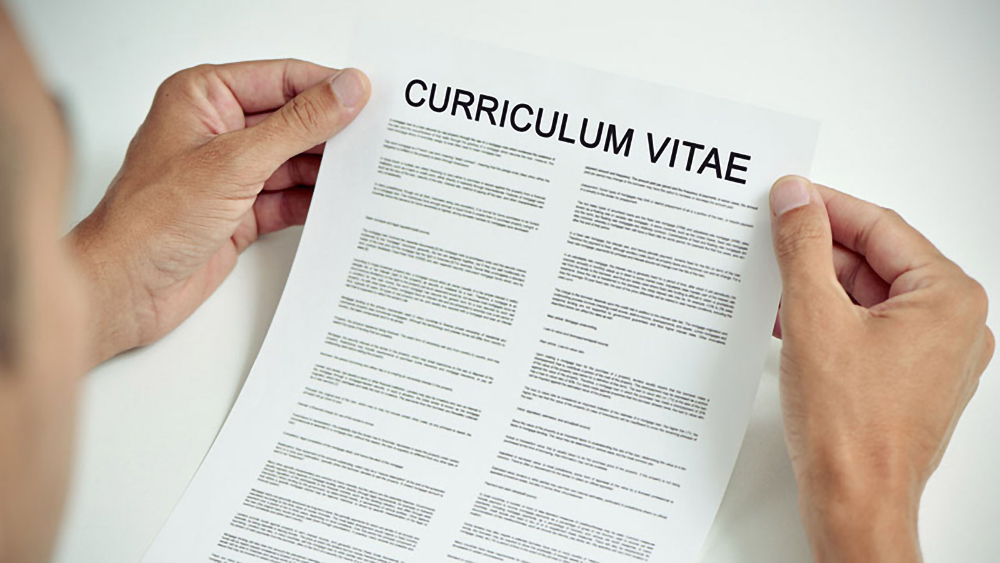
- CV: A list of your education, exhibitions, awards, residencies, and grants
- Contact information: Email, website, and social media
Some open calls specify a page limit. If no guidelines are given, try to keep your artist portfolio under 25 pages(including the cover letter, artist statement, your CV, and contact details).
Step 3: Design a Clean Artist Portfolio Layout
Your portfolio must be easy and inviting to review. Choose a clean and professional layout and carefully selected typography that complements your work, and ideally echoes some ideas from your artistic practice. Here are some tips:
- Clean design: Keep the focus on your artwork by prioritizing clean layouts that do not distract the viewer.
- Cohesive look: Maintain consistency in fonts, color palettes, and layout throughout your art portfolio.
- Visual harmony: Balance the size and align the placement of images with informative text for a seamless flow.
- Clear fonts: Choose fonts that are easy to read. Avoid anything that distracts from your work.
- Design tools: For more design options, explore layout and publishing tools such as InDesign or Scribus to create a professional artist portfolio.
Step 4: Documentation Photographs for Your Artist Portfolio
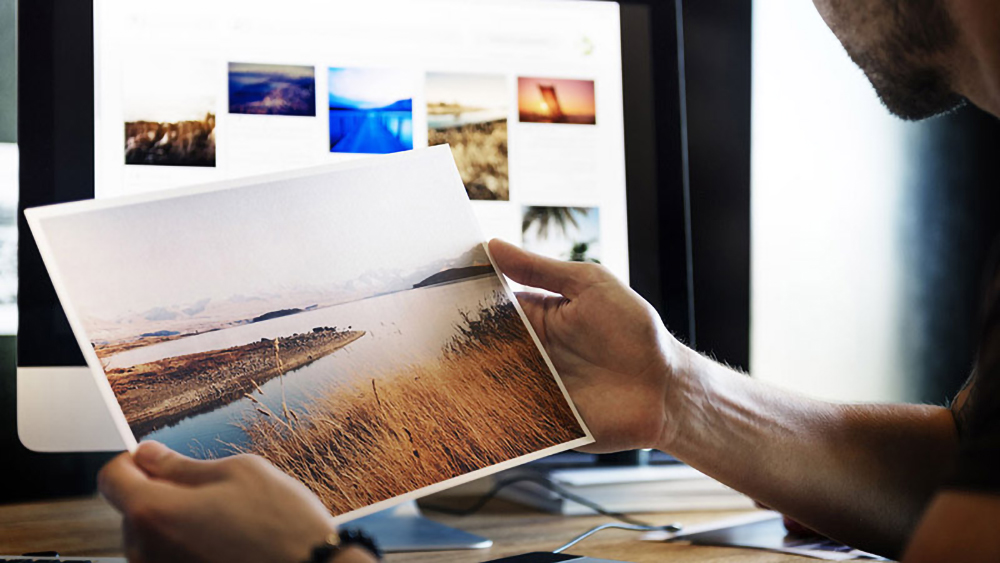
The documentation photographs of your artwork are the core of your artist portfolio. Here are some key aspects to consider when taking high-quality photographs of your works:
- Equipment: Always use a high-quality camera and tripod. Scanning is ideal for reproducing detailed drawings.
- Lighting: The best light sources are natural light or two flashes positioned on both sides of your work.
- Image quality: Ensure that the sharpness of your photos is maximized. Review the photos on a large screen before ending a session.
- Composition: For exhibition shots, choose the appropriate perspective that shows how the work is placed in the space.
- Editing: Straighten, correct distortion, and retouch minor imperfections. Crop your photos to center the artwork within the frame.
- Quantity: Select one photo for each piece of work. In some cases, you may need to use more than one photo; if so, it is best not to exceed two.
Tip: Visit websites such as Contemporary Art Daily and Artviewer to view examples of professional exhibition photos.
Step 5: Add Artwork Information to Your Artist Portfolio
Help your readers gain a better understanding of the artwork they are looking at by providing key information:
- Essential details:
- Title
- Year
- Medium
- Dimensions
- Add a description:
- Mention specific techniques or processes
- Provide conceptual insights
Many artworks require additional information to fully communicate their meaning.
Step 6: Arrange Your Artworks
There are many ways to order your artworks in your portfolio:
- Chronological order: This is the most common way, begin with your most recent works.
- Thematic grouping: Group artwork by medium.
- Highlighting & variety: Highlight your most outstanding works or ensure some variety in the presentation to keep your portfolio engaging.
Step 7: Get Feedback & Proofread Your Artist Portfolio
- Fresh eyes: Ask someone familiar with your work and someone unfamiliar with it to review your artist portfolio. Their insights can be very valuable.
- Proofread: Ensure flawless grammar and spelling in your portfolio. Online tools can help with this.
Step 8: File Naming, Exporting & Printing Your Art Portfolio
- Print: It is worth investing money in quality printing.
- Digital: Save the file with your name and "Portfolio" (e.g., "Firstname_Lastname_Portfolio.pdf").
Tip: The size of your digital art portfolio is also very important; aim to keep it under 5 MB, with high-quality images. Use software such as Adobe InDesign or Scribus to reduce your file size while maintaining image quality.
Step 9: Keep Your Artist Portfolio Updated
Your portfolio is a living document. Update it regularly with new work to ensure that it continues to reflect your current practice and artistic development.
By following these steps, you’ll create a professional artist portfolio that clearly communicates your artistic practice and leaves a lasting impression.
Do you need more help? Check out our online video course: How to make an art portfolio. This course is organized as a step-by-step guide that will give you a comprehensive understanding of all the different components needed to build an excellent artist portfolio. Bring your artist portfolio to the next level!